Signs Your Pickleball or Tennis Court Needs Resurfacing
Noticing cracks, fading lines, or uneven surfaces can indicate your pickleball or tennis court needs resurfacing, and local contractors can restore it to optimal condition.
If you're a property owner who enjoys playing pickleball or tennis on a private court, noticing signs of wear and tear can be a common concern. Over time, your court may develop cracks, uneven surfaces, or fading lines, which can impact gameplay and safety. Recognizing these issues early can help maintain the quality of your court and ensure it remains a welcoming space for recreation. Local contractors experienced in court resurfacing can assess these signs and recommend the appropriate solutions to restore your court’s optimal condition.
Understanding the practical reasons to explore resurfacing services can save you from more costly repairs down the line. A worn or damaged court can lead to safety hazards or diminish the playing experience, potentially affecting enjoyment and property value. If your pickleball or tennis court exhibits visible cracks, surface roughness, or inconsistent bounce, it’s a sign that professional resurfacing may be needed. Connecting with local service providers who specialize in court resurfacing can help you address these issues effectively, ensuring your court remains a reliable and enjoyable space for years to come.
- When signs your pickleball or tennis court shows surface cracks or fading, local contractors can assess whether resurfacing is needed to restore playability. - If the court surface has developed uneven areas or persistent puckering, local service providers can evaluate and perform resurfacing to ensure a smooth, safe playing surface. - Visible signs of peeling or chipping paint on court lines often indicate the need for resurfacing, which local pros can handle to improve court visibility and aesthetics. - When the court surface becomes increasingly slippery or develops a rough texture, local contractors can resurface to enhance traction and safety during play. - Signs of persistent water pooling or drainage issues on the court surface suggest that resurfacing may be necessary, and local pros can address these problems effectively.
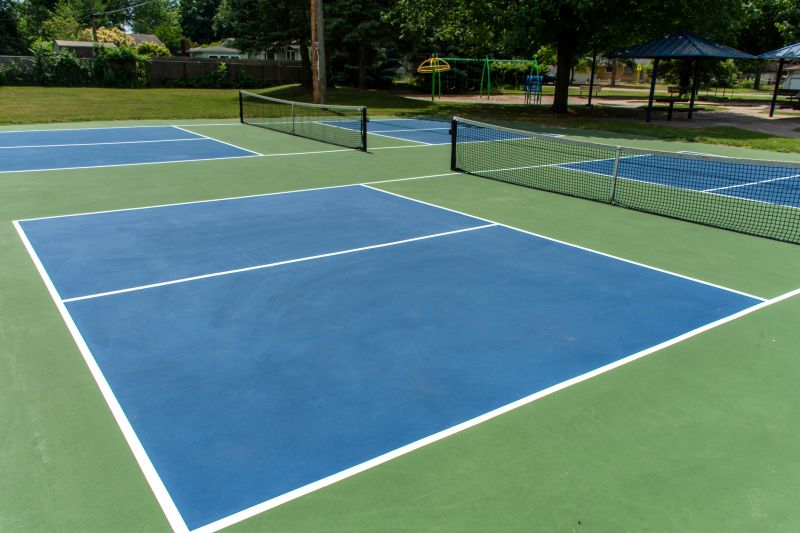
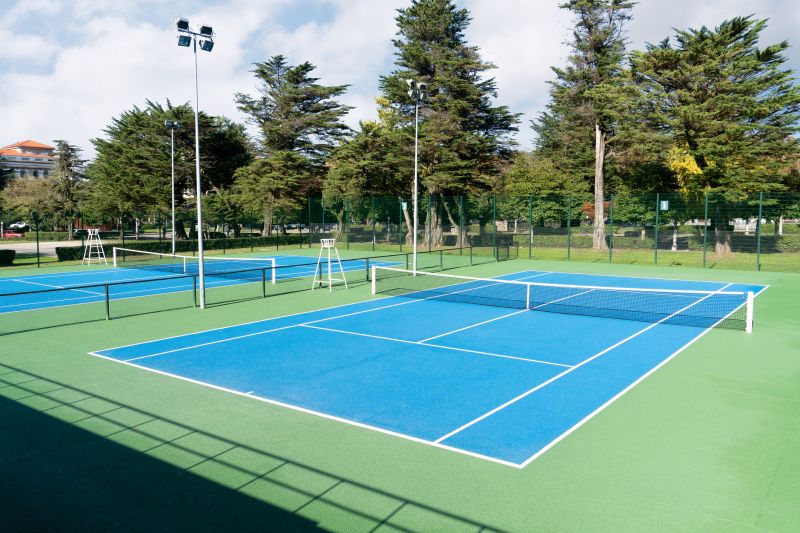
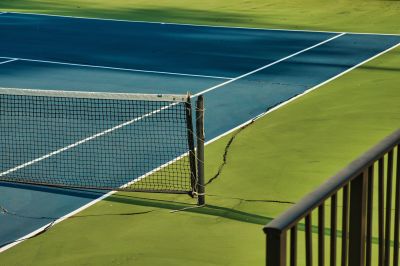
When searching for information about signs your pickleball or tennis court needs resurfacing, homeowners are typically trying to determine whether their existing court requires maintenance or a complete overhaul. This concern often arises after noticing changes in the court’s surface that could impact gameplay, safety, or aesthetics. People may be planning to host tournaments, improve property value, or simply ensure their courts remain safe and playable. Recognizing the visual and functional indicators that suggest resurfacing is needed helps property owners decide when to seek assistance from local contractors who specialize in court restoration and resurfacing services.
Many of the problems associated with worn or damaged courts relate to surface deterioration that affects both playability and safety. Common issues include cracks that can trip players or cause the surface to become uneven, fading or peeling paint that diminishes visibility of lines, and rough patches that increase the risk of slipping or falling. These signs often indicate that the existing surface has reached the end of its useful life and may no longer provide the optimal playing conditions. Additionally, plans to upgrade or modernize a court-such as switching to a different surface material or improving lighting-often prompt property owners to consider resurfacing as part of their project.
The types of properties that typically come up in discussions about resurfacing needs include private residential yards, community parks, sports clubs, and recreational centers. Residential properties with dedicated courts are common sites, especially where owners want to maintain a high-quality playing surface for family or guests. Community facilities and sports complexes often have multiple courts that require regular upkeep to meet safety standards and provide consistent performance. These properties usually benefit from the expertise of local contractors who understand the specific requirements of different court surfaces and can recommend the appropriate repairs or resurfacing options to restore the court’s condition.
Understanding the signs that a pickleball or tennis court needs resurfacing helps property owners make informed decisions about maintaining or upgrading their courts. When visual cues like extensive cracking, fading lines, or surface roughness appear, it’s a clear indication that professional resurfacing services may be needed. Local service providers who specialize in court resurfacing can evaluate the condition of a court, recommend suitable solutions, and carry out the necessary work to restore a safe, smooth, and visually appealing surface. Recognizing these signs early ensures that courts remain functional and enjoyable for years to come, making it easier to plan for repairs or upgrades as part of ongoing property maintenance or improvement projects.
Basketball Court Resurfacing - This project involves surface preparation and coating application similar to tennis and pickleball courts, making it relevant for those needing court rejuvenation services.
Driveway Resurfacing - Driveway repair and resurfacing require similar skills in surface assessment and material application as those used for tennis and pickleball court maintenance.
Sports Court Painting - Repainting and line marking sports courts share planning and surface prep techniques with court resurfacing projects for pickleball and tennis facilities.
Asphalt Repair and Paving - Asphalt patching and resurfacing involve surface evaluation and repair skills applicable to maintaining and restoring tennis and pickleball courts.
Badminton Court Resurfacing - Resurfacing similar to tennis and pickleball courts, badminton court projects involve surface prep and coating work that local contractors can handle.
Concrete Patio Restoration - Restoring and resurfacing concrete patios shares surface preparation and finishing skills with tennis and pickleball court resurfacing services.
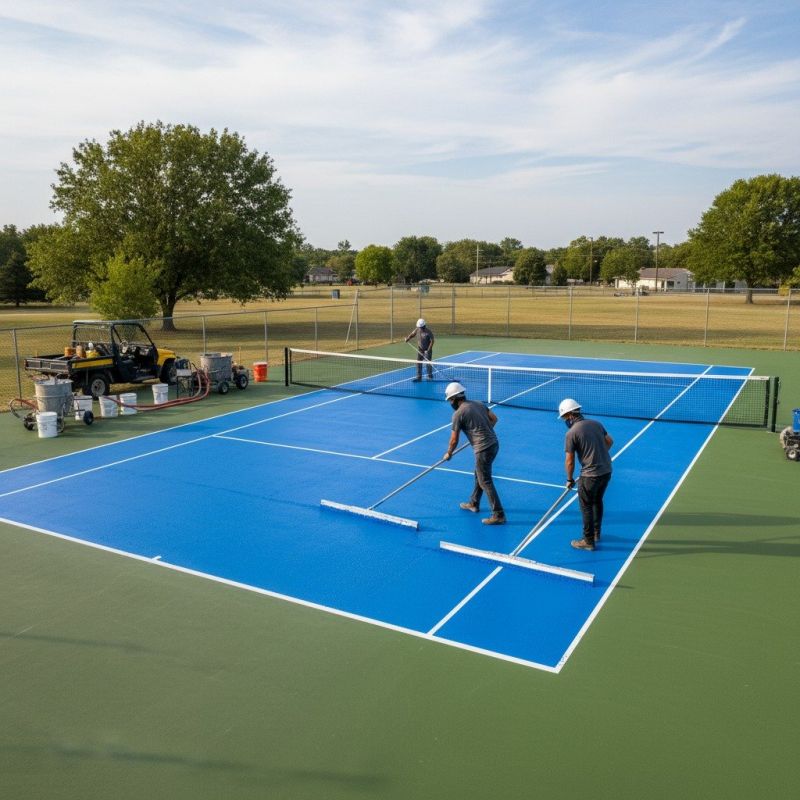
When evaluating service providers for resurfacing a pickleball or tennis court, it is important to consider their experience with similar projects. A contractor who has worked extensively on courts of comparable size and surface type is more likely to understand the specific challenges and best practices involved. This familiarity can help ensure that the resurfacing work addresses common signs your pickleball or tennis court needs resurfacing effectively, such as cracking, uneven surfaces, or worn-out paint. Asking for examples of past projects or references related to court resurfacing can provide insight into their expertise and the quality of their work, making it easier to select a contractor capable of handling the unique requirements of a court in need of renewal.
Clear, written expectations are essential when comparing local contractors for resurfacing services. A reputable service provider should be able to outline the scope of work, materials used, and the estimated process involved in addressing signs your pickleball or tennis court needs resurfacing. Having this information in writing helps prevent misunderstandings and ensures that both parties are aligned on the project’s goals. It also provides a basis for evaluating the thoroughness and professionalism of each contractor, allowing homeowners to choose a provider who communicates openly and provides detailed explanations about how they will restore the court’s surface and appearance.
Good communication and reputable references are key factors in selecting a dependable contractor for court resurfacing. Service providers who are responsive to inquiries and willing to answer questions about signs your pickleball or tennis court needs resurfacing demonstrate a commitment to transparency and customer service. Additionally, obtaining references or reviews from previous clients can offer valuable insights into the contractor’s reliability, workmanship, and ability to manage projects effectively. These indicators of professionalism can help homeowners feel more confident in their choice, knowing that the contractor has a track record of successfully restoring courts and maintaining clear communication throughout the process.
Get a Quote for Pickleball Or Tennis Court Needs Resurfacing
Property owners often search for signs your pickleball or tennis court needs resurfacing when they are planning practical projects around their homes and businesses. Local pros provide Pickleball or Tennis Court Needs Resurfacing services for everyday jobs and straightforward project options.
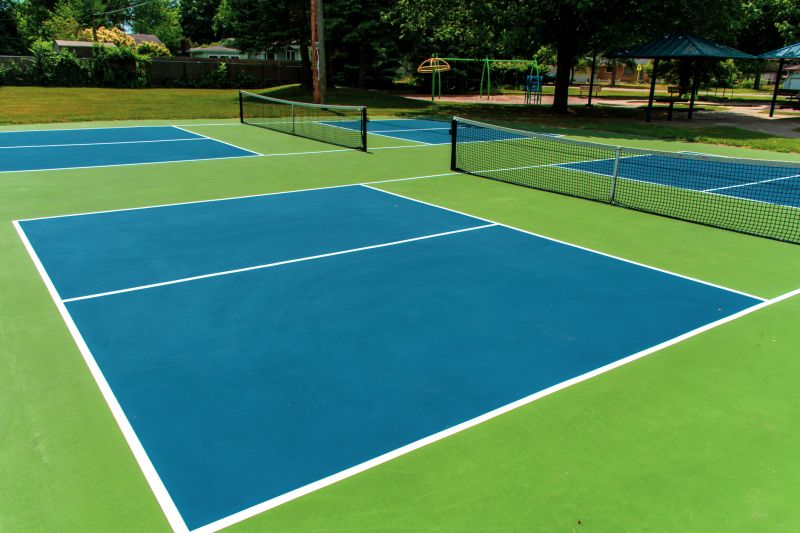
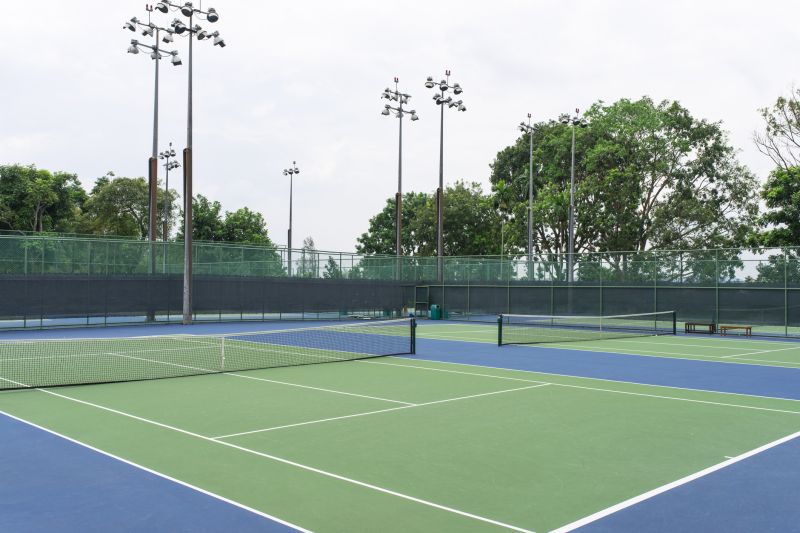
Over time, the surface of a pickleball or tennis court can show signs of wear that indicate it might need resurfacing. Cracks, uneven areas, or a rough texture can affect gameplay and safety, prompting property owners to seek professional assessment. Fading or peeling paint, along with areas where the surface appears discolored or worn down, are common visual cues that the court’s finish is deteriorating and could benefit from a refresh by experienced local contractors.
Additionally, if the court surface feels excessively rough or develops noticeable bumps and dips, it can impact the quality of play and increase the risk of injuries. These issues often develop gradually but become more apparent over time, making it a good idea for property owners to consider professional resurfacing services. Local service providers can evaluate the condition of the court and recommend appropriate solutions to restore a smooth, safe, and visually appealing playing surface.
Get a Quote for Pickleball Or Tennis Court Needs Resurfacing
What are common signs that a pickleball or tennis court needs resurfacing? Visible cracks, uneven surface texture, and faded or peeling paint are typical indicators that a court may require resurfacing services from local contractors.
How can I tell if the court's surface has deteriorated over time? If the court surface shows excessive wear, persistent puddles, or areas where the surface is bubbling or chipping, it may be time to consider resurfacing with the help of local pros.
What impact do surface cracks have on gameplay and safety? Cracks can cause uneven footing, increasing the risk of falls or injuries, and may also affect the ball's bounce, highlighting the need for resurfacing services from experienced local contractors.
Are faded lines a sign that a pickleball or tennis court needs resurfacing? Yes, when lines become difficult to see due to fading or peeling paint, it indicates that the court surface may be in decline and could benefit from resurfacing by local service providers.
Can discoloration or staining on the court surface signal the need for resurfacing? Discoloration, staining, or surface discoloration can be signs of surface degradation, suggesting that local pros should evaluate the court for potential resurfacing work.
Surface cracking - noticing cracks on the court surface can indicate the need for resurfacing, and local contractors can assess and repair these issues effectively.
Fading or discoloration - significant fading or uneven coloring suggests the court’s surface may be worn out, prompting professional resurfacing to restore its appearance.
Uneven playing surface - feeling uneven bounces or noticing dips can signal the need for a smooth, level surface, which local service providers can re-establish.
Surface roughness or texture loss - a rough or deteriorated surface can affect gameplay, and local pros can resurface the court to improve safety and performance.
If you are thinking about signs your pickleball or tennis court needs resurfacing for a property, this guide is meant to help you understand this topic, the typical project types, and how different options might fit your plans.
When you are ready, you can use the quote form on this page to share a few details about your project. From there, local pros can review the basics and follow up with options that match what you have in mind.
Get a Quote for Pickleball Or Tennis Court Needs Resurfacing